
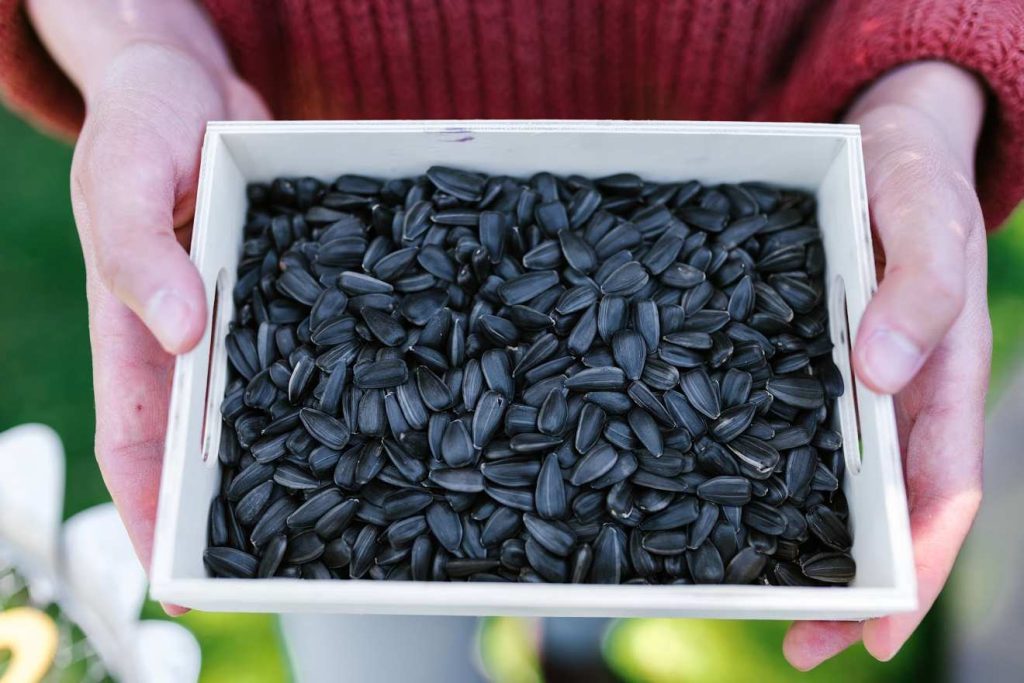
In the global agricultural market, choosing the right sunflower seed is a critical decision that directly affects crop performance, production costs, and long-term profitability. One of the most common questions asked by international buyers and growers is whether to choose hybrid sunflower seed or conventional sunflower seed.
While both seed types are still used in different regions, their performance, economic value, and suitability for modern farming systems differ significantly. Understanding these differences helps global buyers make informed decisions based on market demand, climate conditions, and production goals.
As a professional sunflower seed supplier, providing transparent and objective information about seed types is essential for building trust and long-term cooperation.
Understanding Conventional Sunflower Seed
Conventional sunflower seed, also known as open-pollinated seed, is produced through natural pollination without controlled hybridization. Farmers can often save seed from previous harvests for replanting.
Key Characteristics of Conventional Sunflower Seed
- Lower seed cost
- Genetic variability within the field
- Less uniform plant growth
- Limited yield potential
Conventional sunflower seed is still used in small-scale or traditional farming systems, especially where input costs must be kept low.
Understanding Hybrid Sunflower Seed
Hybrid sunflower seed is produced by crossing two carefully selected parent lines under controlled conditions. This process allows breeders to combine desirable traits such as high yield, disease resistance, and environmental adaptability into a single seed variety.
Key Characteristics of Hybrid Sunflower Seed
- Higher yield potential
- Uniform growth and maturity
- Improved resistance to diseases and stress
- Consistent performance across seasons
Hybrid sunflower seed is widely adopted in commercial agriculture and export-oriented production systems.
Yield Performance Comparison
Yield is one of the most important factors influencing seed selection.
Hybrid sunflower seed generally delivers:
- Higher seed yield per hectare
- Larger and more uniform flower heads
- Better seed filling and oil accumulation
Conventional sunflower seed often shows:
- Greater variation between plants
- Lower average yield
- Reduced yield stability under stress
For markets where productivity and efficiency are critical, hybrid sunflower seed provides a clear advantage.
Disease Resistance and Crop Stability
Disease pressure can significantly impact sunflower production. Hybrid sunflower seed is typically bred with enhanced resistance to major sunflower diseases, including downy mildew, rust, and sclerotinia.
Benefits of hybrid sunflower seed include:
- Reduced crop losses
- Lower reliance on chemical treatments
- More stable performance in challenging environments
Conventional sunflower seed generally lacks the same level of built-in resistance, increasing production risk in disease-prone regions.
Adaptability to Different Climate Conditions
Climate adaptability is especially important for international markets where growing conditions vary widely.
Hybrid sunflower seed offers:
- Better tolerance to heat and drought
- Improved performance under variable rainfall
- Stronger root systems
Conventional sunflower seed may perform adequately under ideal conditions but often struggles under climate stress.
Cost Consideration vs Long-Term Return
One common concern among buyers is seed cost. Conventional sunflower seed is typically cheaper than hybrid sunflower seed. However, cost should be evaluated in terms of overall return, not just initial investment.
Hybrid sunflower seed often results in:
- Higher yield per unit area
- Better quality and market value
- Lower production risk
Over time, the higher productivity of hybrid sunflower seed usually offsets the higher seed cost.
Uniformity and Farm Management Efficiency
Uniformity plays a major role in modern farming systems, especially where mechanization is involved.
Hybrid sunflower seed provides:
- Consistent plant height
- Synchronized flowering and maturity
- Easier irrigation and harvesting management
Conventional sunflower seed often results in uneven growth, making field management more difficult and less efficient.
Market Suitability: Which Seed Fits Which Market?
Different markets have different requirements:
- Commercial and export markets: Hybrid sunflower seed is preferred due to yield stability and quality consistency.
- Small-scale or subsistence farming: Conventional sunflower seed may still be acceptable where resources are limited.
- Oilseed production: Hybrid sunflower seed offers higher oil content and processing efficiency.
- Emerging markets: Hybrid sunflower seed supports rapid productivity improvement.
Understanding market expectations helps buyers select the most appropriate sunflower seed type.
The Role of a Professional Sunflower Seed Supplier
Choosing between hybrid and conventional sunflower seed requires more than technical knowledge—it requires market experience. A reliable sunflower seed supplier provides guidance tailored to specific regions and production goals.
A professional sunflower seed supplier should offer:
- Clear information on seed performance
- Market-oriented variety recommendations
- Stable quality and certification
- Long-term technical support
Such cooperation ensures that buyers select the right seed for sustainable success.
Future Trends in Sunflower Seed Selection
As global agriculture continues to modernize, the demand for high-performance seed continues to grow. Hybrid sunflower seed is expected to dominate future sunflower production due to its efficiency, stability, and adaptability.
Conventional sunflower seed will likely remain in niche applications, but hybrid sunflower seed is becoming the standard choice for competitive markets.
Conclusion
Both hybrid sunflower seed and conventional sunflower seed have their place in global agriculture. However, for buyers seeking higher yield, better stability, and long-term profitability, hybrid sunflower seed offers clear advantages.
By working with an experienced sunflower seed supplier, global buyers can confidently choose the seed type that best fits their market, climate, and production objectives. In an increasingly competitive agricultural landscape, informed seed selection is the foundation of success.