In an era defined by climate uncertainty and heightened demand for sustainable nutrition, the sunflower seed is experiencing a renaissance. No longer confined to the margins of agriculture, it is now at the forefront of genetic innovation and ecological farming,” notes Dr. Alistair Finch, Senior Agronomist at the Global Crop Research Alliance. “The modern sunflower hybrid represents a remarkable convergence of resilience, versatility, and economic potential. We are unlocking capabilities in this seed that directly address the core challenges of 21st-century food production.” This expert insight frames the remarkable journey of a crop that is transforming from a traditional oil source into a strategic asset for farmers and a nutritional cornerstone for consumers worldwide.
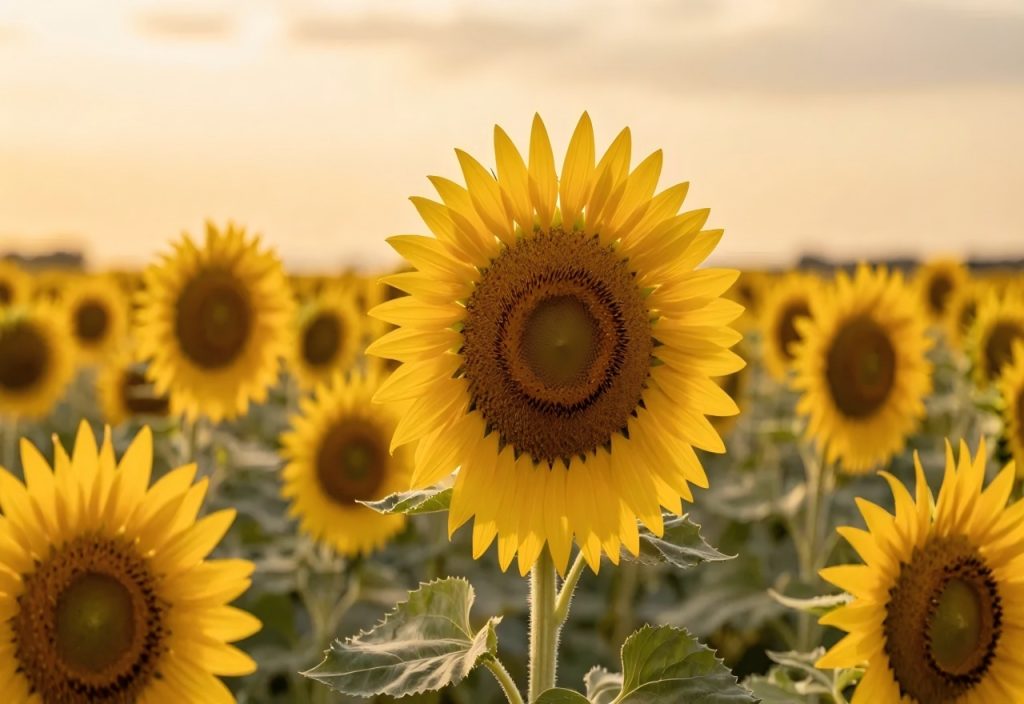
As harvest season bathes fields in stunning gold, the humble sunflower seed is emerging as a star player in the agricultural landscape. Far more than just a source for oil or a snack, advancements in breeding, sustainable practices, and a deepening understanding of its nutritional profile are positioning the sunflower seed for unprecedented growth and value. This resilient crop is answering some of the most pressing calls of modern farming and conscious consumption.
Genetic Innovation: Breeding for Resilience and Performance
The core of the sunflower revolution lies in seed genetics. Leading agricultural biotech firms are investing heavily in developing next-generation sunflower hybrids. These aren’t your average seeds. Today’s premium sunflower seeds are engineered for specific traits that directly benefit the farmer and the environment.
New hybrids boast enhanced drought tolerance, a critical feature as climate variability increases. Their deep root systems are biologically optimized to access subsoil moisture, making sunflower cultivation a strategic choice in arid regions. Furthermore, breeders have made significant strides in bolstering disease resistance, particularly against pervasive threats like Sclerotinia (white mold) and Downy Mildew. This reduces the need for chemical interventions, lowering input costs and supporting sustainable farm management. The result is a more reliable yield of high-quality sunflower seeds, ensuring farm profitability and stability.
Precision Agriculture: Optimizing the Sunflower Seed Journey
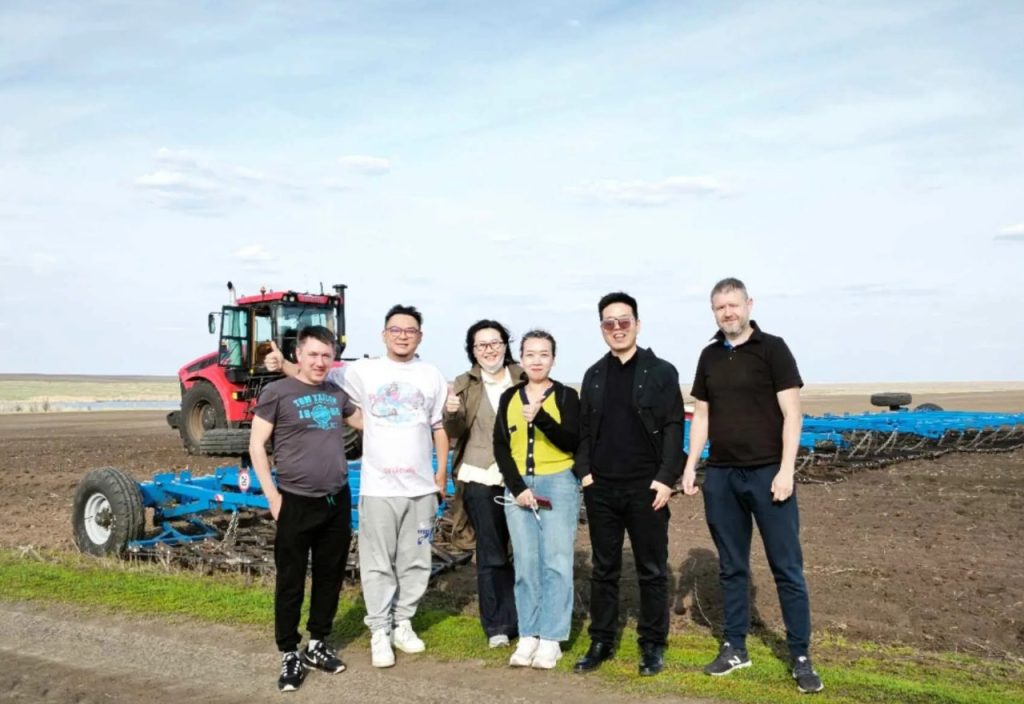
From planting to harvest, technology is maximizing the potential of every sunflower seed. Precision planting equipment ensures optimal seed spacing and depth, promoting uniform emergence and stand establishment. GPS-guided systems and drone surveillance allow for real-time monitoring of sunflower fields, enabling targeted irrigation and precise nutrient application tailored to the seed’s growth stages.
This data-driven approach minimizes waste and environmental runoff, ensuring that the growing sunflower plant receives exactly what it needs, when it needs it. At harvest, state-of-the-art combine harvesters with specialized headers are calibrated to minimize seed loss and damage, preserving the precious oil content and quality of the harvested sunflower seed. This marriage of robust sunflower genetics and smart farming tech is setting new benchmarks for crop efficiency.
Nutritional Powerhouse: The Seed Demands Attention
Beyond the field, the sunflower seed is gaining recognition as a nutritional champion. Packed with vitamin E, selenium, magnesium, and healthy fats, it’s a potent source of antioxidants and anti-inflammatory compounds. Food manufacturers are increasingly incorporating sunflower seed butter, flour, and roasted kernels into a wide array of products, from protein bars and bread to dairy alternatives, catering to the growing demand for plant-based, allergen-friendly ingredients.
The high-quality oil extracted from the sunflower seed remains a global staple. The demand for mid-oleic and high-oleic sunflower oils, prized for their stability and heart-healthy fat profile, is soaring. These oils are ideal for both food service and healthy food packaging, offering a non-GMO, sustainable alternative to other vegetable oils. Every part of the sunflower seed is utilized, embodying the principles of a circular bio-economy.
Market Trends and Sustainable Credentials
Global market trends underscore the rising importance of the sunflower seed. As consumers seek transparent and sustainable supply chains, sunflower cultivation shines. Sunflower plants are known as phytoremediators; they can help clean soils by absorbing certain contaminants. Their cultivation improves biodiversity, providing crucial pollination habitats for bees and other beneficial insects.
The economic outlook for sunflower seed producers is robust. Rising demand for plant-based proteins and healthy oils directly translates to stronger markets for sunflower products. Countries are looking to diversify their oilseed production, and the reliable, climate-resilient sunflower seed presents an attractive option for crop rotation, improving soil health and breaking pest cycles.
Looking Ahead: The Future is Bright
The future for sunflower seeds is radiant. Continued research into genomics promises even hardier and more productive varieties. The integration of blockchain technology for traceability will allow consumers to verify the journey of the sunflower seed from farm to table, adding value and trust. Furthermore, the potential of sunflower byproducts in bio-materials and feed sectors is opening new revenue streams.
In conclusion, the sunflower seed is no longer a secondary crop. It is a testament to agricultural innovation, a driver of sustainable practices, and a nutritional gem meeting contemporary consumer needs. As the industry continues to innovate around this versatile seed, the sunflower stands tall—not just in the field, but as a cornerstone of a smarter, healthier, and more resilient agricultural future. For farmers, processors, and consumers alike, the message is clear: the power and potential of the sunflower seed are ready to bloom.