In the evolving landscape of modern agriculture, farmers are increasingly looking for crops that offer more than just a single source of income. While the pumpkin has traditionally been celebrated for its vibrant flesh used in pies and soups, a seismic shift is occurring across global farms. The real gold inside the gourd—the pumpkin seeds—is taking center stage. As we move through 2026, the market for pumpkin seeds is proving to be one of the most dynamic and profitable sectors in the agribusiness industry.
we are at the forefront of this agricultural revolution, providing farmers with high-yield, specialized varieties that turn pumpkin seeds into a powerhouse of profit and nutrition.
The Booming Market for Pumpkin Seeds
The global appetite for pumpkin seeds has never been higher. Recent market analysis indicates that the global market for seed-producing pumpkins was valued at approximately US$ 553 million in 2024 and is projected to reach an impressive US$ 702 million by 2031, growing at a steady CAGR of 3.6% .
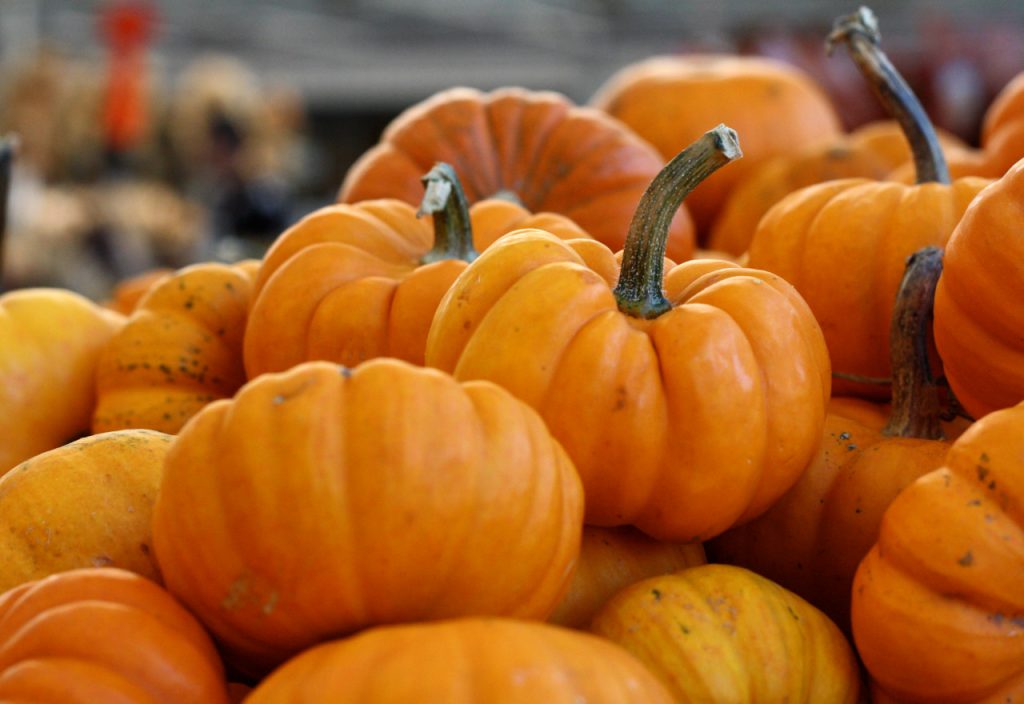
This growth is not just a statistic; it represents a tangible shift in how we view the crop. Unlike edible pumpkins grown for their flesh, seed-producing pumpkins are cultivated specifically for their kernels. These varieties typically feature thinner flesh and seeds that are plump, nutrient-dense, and often have a thin or absent outer shell, making them ideal for processing .
Why Pumpkin Seeds? A Nutritional and Commercial Powerhouse
The driving force behind this surge is the recognition of pumpkin seeds as a genuine “superfood.”
- Nutritional Density: Pumpkin seeds are packed with essential minerals like magnesium, zinc, and iron. They are a rich source of protein and healthy fats. Some modern varieties, such as the ‘Emerald Naked Seeded’ pumpkin, boast seeds with approximately 40% oil content and 25% protein, making them an excellent plant-based protein source .
- Health Benefits: Diets rich in pumpkin seeds are linked to improved urinary and prostate health, a bolstered immune system thanks to high zinc levels, and a reduced risk of certain cancers. The oil extracted from these seeds is dichromatic—appearing green or red depending on the light—and is prized as a gourmet finishing oil in high-end cuisine .
Variety is the Seed of Success
Not all pumpkin seeds are the same. Farmers are gradually abandoning traditional varieties and turning to hybrids with specific traits that better meet the demands of the seed market. Our product portfolio focuses on varieties that maximize pumpkin seed yield and quality.
The Rise of Hull-less Seeds:
One of the most significant trends is the demand for “naked” or hull-less pumpkin seeds. Unlike supermarket varieties where the seed is encased in a tough white husk, hull-less varieties, like the Austrian ‘Styrian’ oil pumpkin or the newly developed ‘Emerald Naked Seeded’ pumpkin, produce seeds with a thin, pliable seed coat .
“They’re called the naked pumpkin, because unlike the ones at the supermarket where the seeds are surrounded by the white husk, these ones are naked within the pumpkin,” explains Clare Adkins, a farmer from Summer Hill Seeds in New Zealand, who grows these varieties specifically for their high-protein seeds . These seeds are ready to eat, roast, or press directly, eliminating the costly and time-consuming dehulling process required for traditional pumpkin seeds .
Giant Varieties for Maximum Yield:
For farmers focused on volume, giant hybrid varieties such as the Israel Giant, Egyptian Giant, and Equatorial Giant are game-changers. These pumpkins are bred for seed production; a single fruit can yield up to 0.5 kilograms of seeds . As noted by William Githinji, an agro-entrepreneur from Nyeri County, these giant varieties are superior because the pumpkin seeds lack the hard outer shell, making oil extraction much more efficient .
From Field to Fortune: Value Addition
The most successful farmers today are not just growers; they are processors. The real magic happens when raw pumpkin seeds are transformed into high-value goods. The market is witnessing a boom in on-farm processing, turning pumpkin seeds into:
- Pumpkin Seed Oil: Cold-pressed oil from pumpkin seeds is a delicacy. With a nutty flavor and high smoke point, it commands premium prices. In Kenya, for example, farmers like Bernice Mwihaki have turned to processing, selling 250ml bottles of pumpkin oil at premium prices (up to Sh1,500), effectively doubling their income compared to selling raw fruit .
- Roasted Snacks: Roasted pumpkin seeds are a popular, healthy snack. With a simple process of drying and roasting, farmers can package and sell pumpkin seeds for direct consumption, fetching prices like Sh400 per 100 grams .
- Pumpkin Seed Flour: The press cake left over from oil extraction, or even lower-grade seeds, can be ground into a protein-rich flour. This flour is used as a supplement in baking, smoothies, and infant foods, adding another revenue stream .
Agronomy: Cultivating Quality Pumpkin Seeds
Growing for seeds requires specific attention. Pumpkin seeds need warm soil—at least 70°F—for direct sowing to prevent rot, a particular concern for hull-less varieties . Farmers are adopting techniques like hand hoeing to keep fields spray-free during the crucial weeks when vines begin to “hold hands across the rows” .
Harvesting is a precise operation. Specialized machinery separates the precious pumpkin seeds from the fibrous flesh, which is often returned to the field as green manure. The seeds are then washed and dried carefully—often in shaded, well-ventilated dryers to preserve nutrient quality—before being graded .
Global Trends and Challenges
The pumpkin seeds market is truly global. While demand soars, supply chains face pressure. Recent reports indicate a shortage of pumpkin seeds in the European Union, driven by lower yields in China, the world’s primary supplier. This has created a seller’s market, with prices remaining consistently high and buyers willing to pay premiums for fast delivery of quality seeds . For farmers in regions unaffected by these shortages, this represents a massive export opportunity.
The Future is Bright
As consumers continue to seek out nutrient-dense, plant-based foods, the humble pumpkin seed is stepping into the spotlight. we are committed to providing the genetics, the knowledge, and the support to help you capitalize on this trend. Whether you are interested in high-oil varieties for pressing, giant pumpkins for maximum seed yield, or unique hull-less types for the snack food market, we have the pumpkin seeds to start your success story.
The question is no longer just “How many pumpkins did you grow?” but rather, “What did you do with your pumpkin seeds?”