Introduction: The Rising Demand for High-Quality Sunflower Seed
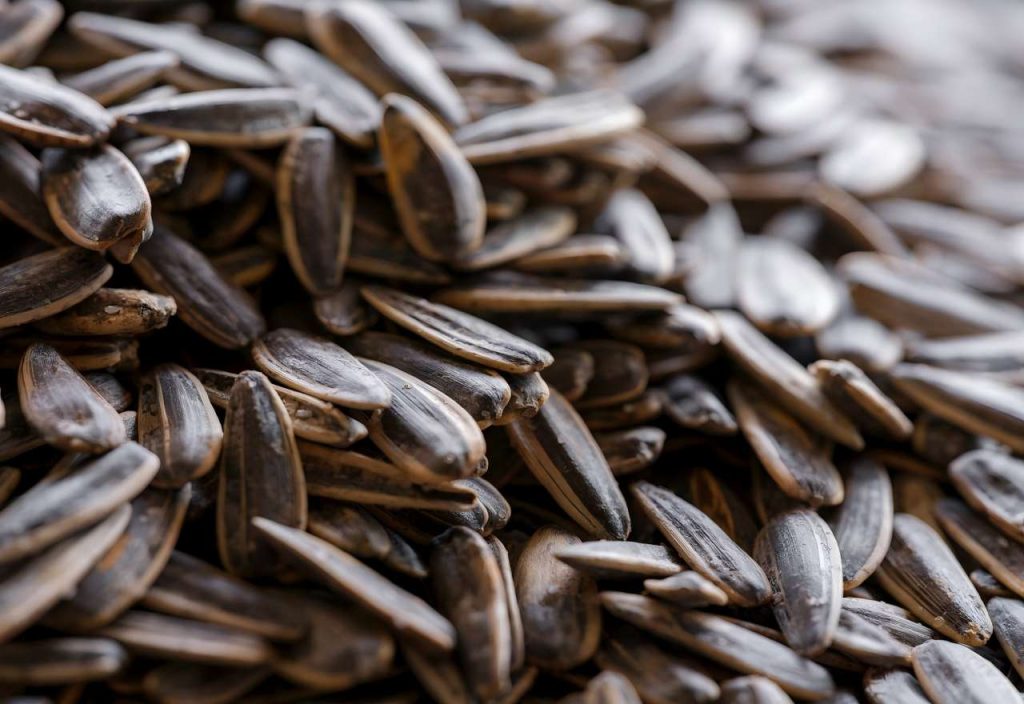
In recent years, global agriculture has witnessed a rapid increase in the demand for sunflower seed, driven by rising consumption of sunflower oil, animal feed, and snack products. As planting areas expand across South America, Eastern Europe, Central Asia, and Africa, farmers are placing greater emphasis on seed performance and stability.
Among all planting inputs, seed quality remains the most decisive factor affecting final yield. As a result, more growers are turning to professional sunflower seed suppliers who can provide advanced hybrid sunflower seed varieties with proven performance in different climate zones.
The Role of Hybrid Sunflower Seed in Modern Agriculture
Traditional open-pollinated sunflower seed varieties once dominated the market. However, modern agriculture has increasingly shifted toward hybrid sunflower seed due to its superior advantages.
Hybrid sunflower seed offers:
- Higher yield potential
- Stronger disease resistance
- Improved drought tolerance
- Uniform plant growth
- Better oil content consistency
These advantages make hybrid sunflower seed the preferred choice for commercial sunflower seed production worldwide.
Why Seed Quality Determines Production Success
Many growers underestimate the importance of seed quality when calculating production costs. However, poor-quality sunflower seed can lead to:
- Uneven germination
- Weak early plant development
- Increased vulnerability to diseases
- Lower final yields
In contrast, premium sunflower seed with high germination rates and genetic stability ensures stronger crop establishment and higher profitability.
Professional sunflower seed suppliers conduct extensive field testing to guarantee consistent seed performance under diverse growing conditions.
Global Expansion of Sunflower Seed Production
Sunflower seed production continues to expand in emerging agricultural markets. Countries in South America are rapidly increasing sunflower planting areas due to strong export demand. Eastern European producers benefit from favorable soil conditions, while Central Asian regions are becoming important new production zones.
This global expansion requires sunflower seed varieties that can adapt to:
- Hot and dry climates
- Variable rainfall patterns
- Different soil structures
- Diverse disease pressures
Hybrid sunflower seed varieties are specifically developed to perform reliably across these environments.
Disease Resistance as a Key Performance Indicator
Plant diseases remain a major risk in sunflower seed production. Common threats such as downy mildew, rust, and fungal infections can severely impact yield.
High-quality hybrid sunflower seed is bred with enhanced resistance traits, which:
- Reduce crop losses
- Lower chemical treatment costs
- Improve long-term soil health
By selecting disease-resistant sunflower seed, growers can achieve more stable production results.
The Importance of Choosing the Right Sunflower Seed Supplier
Not all sunflower seed suppliers offer the same level of reliability and technical support. A professional sunflower seed supplier provides:
- Climate-specific variety recommendations
- Germination and purity testing
- Agronomic guidance
- Post-sale technical assistance
This partnership approach helps growers optimize sunflower seed performance throughout the growing season.
Sustainability and Sunflower Seed Production
With increasing focus on sustainable agriculture, sunflower seed production is evolving toward environmentally friendly practices. Hybrid sunflower seed contributes to sustainability by:
- Requiring fewer chemical inputs
- Using water more efficiently
- Producing higher yield per hectare
This makes sunflower seed a profitable and sustainable crop option for modern farming systems.
Economic Benefits of High-Quality Hybrid Sunflower Seed
Although premium hybrid sunflower seed may have a higher initial cost, it delivers greater economic returns through:
- Increased yield output
- Reduced disease losses
- Improved oil quality
- Higher market value
In long-term planning, investing in high-quality sunflower seed consistently proves more profitable than purchasing low-cost alternatives.
Future Trends in the Sunflower Seed Industry
The sunflower seed industry is expected to continue innovating through:
- Advanced hybrid breeding technologies
- Climate-resilient seed varieties
- Digital farming integration
- Precision agriculture techniques
Professional sunflower seed suppliers will play a central role in introducing these innovations to global markets.
Conclusion: Hybrid Sunflower Seed as the Foundation of Modern Production
As global demand for sunflower products continues to rise, the importance of high-performance sunflower seed becomes increasingly clear. Hybrid sunflower seed, supported by professional sunflower seed suppliers, offers superior yield, stability, and sustainability.
For growers seeking long-term success, investing in high-quality sunflower seed is no longer an option—it is a strategic necessity.