Introduction: The Rising Importance of Sunflower Seed in Global Agriculture
In recent years, the global demand for sunflower seed has increased steadily. As sunflower oil, animal feed, and snack food markets continue to expand, commercial farming operations are under growing pressure to improve productivity, stability, and profitability. Under these conditions, the choice of seed plays a decisive role in determining overall farming success.
Among all available options, hybrid sunflower seed has gradually become the preferred choice for professional growers and large-scale farms. Compared with conventional seed, hybrid sunflower seed offers clear advantages in yield stability, disease resistance, and adaptability. As a result, more international buyers are actively seeking a reliable sunflower seed supplier capable of delivering consistent quality and technical support.
Growing Global Demand for Sunflower Seed
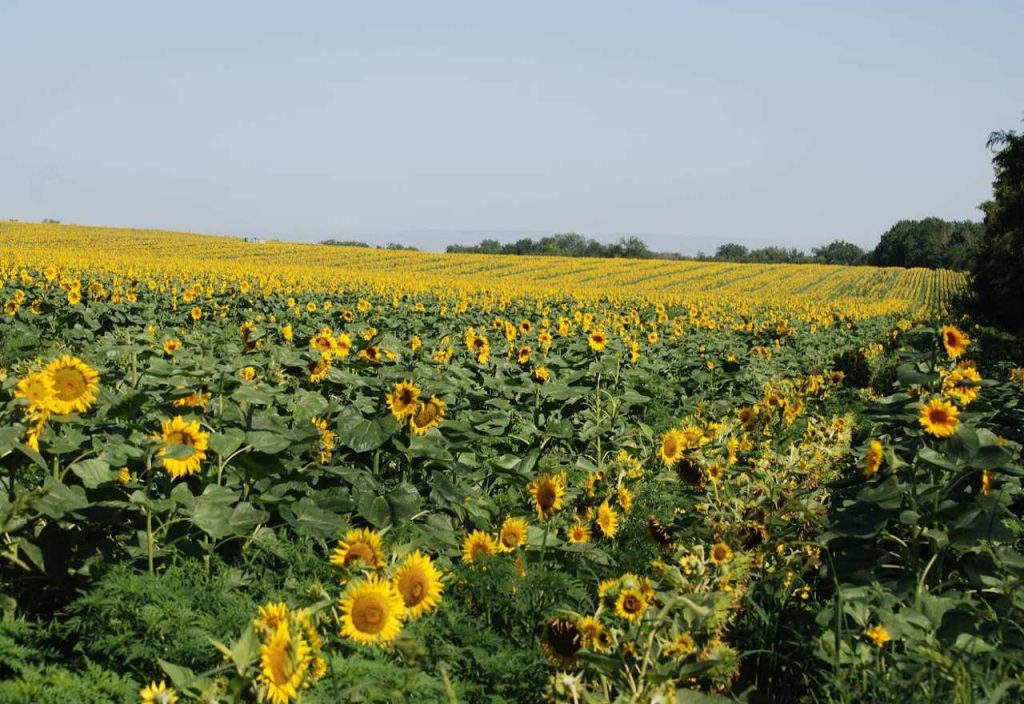
Sunflower seed is no longer a niche crop. It is widely cultivated across South America, Eastern Europe, Central Asia, and parts of Africa. The crop’s versatility—used for oil extraction, food processing, and livestock feed—has made sunflower seed an essential component of modern agriculture.
As demand grows, farmers are expected to meet stricter quality standards while managing risks such as climate variability, pests, and plant diseases. These challenges have pushed the industry to move beyond traditional seed varieties and adopt more advanced seed technologies.
Limitations of Conventional Sunflower Seed in Commercial Farming
Conventional sunflower seed has played an important role in agricultural history. However, in today’s commercial farming environment, it presents several limitations:
- Unstable yield performance across different seasons
- Lower resistance to common diseases
- Uneven plant growth and maturity
- Higher vulnerability to environmental stress
For small-scale or subsistence farming, these drawbacks may be manageable. For large commercial farms, however, inconsistency directly affects harvesting efficiency, processing schedules, and market competitiveness.
What Makes Hybrid Sunflower Seed Different
Hybrid sunflower seed is developed through controlled cross-breeding of selected parent lines. This process enhances desirable traits such as vigor, yield potential, and resistance to diseases.
Key characteristics of hybrid sunflower seed include:
- Strong hybrid vigor (heterosis)
- More uniform plant height and flowering time
- Improved stress tolerance
- Better nutrient utilization
These traits make hybrid sunflower seed especially suitable for modern, mechanized farming systems.
Yield Stability and Field Performance
One of the main reasons growers choose hybrid sunflower seed is yield stability. While conventional seed performance often fluctuates, hybrid sunflower seed is designed to deliver reliable results across varying field conditions.
Stable yield means:
- More predictable harvest volumes
- Easier production planning
- Reduced financial risk
For international buyers, working with an experienced sunflower seed supplier ensures that the seed meets expected yield performance under different climatic conditions.
Disease Resistance and Climate Adaptability
Plant diseases remain a major threat to sunflower seed production worldwide. Hybrid sunflower seed is typically bred with improved resistance to common diseases such as downy mildew and leaf spot.
In addition, hybrid varieties demonstrate stronger adaptability to:
- Temperature fluctuations
- Drought stress
- Soil variability
This adaptability allows farmers to maintain productivity even in challenging environments, making hybrid sunflower seed a strategic choice for expanding markets.
Uniformity and Harvest Efficiency
Uniformity is a critical factor in commercial farming. Hybrid sunflower seed produces plants with consistent growth stages and maturity periods. This uniformity simplifies field management and significantly improves harvesting efficiency.
Benefits include:
- Reduced harvesting losses
- Better compatibility with mechanized equipment
- Improved overall crop quality
From the perspective of a sunflower seed supplier, uniformity also helps meet international quality expectations.
Cost vs. Long-Term Return
While hybrid sunflower seed may have a higher initial cost compared to conventional seed, the long-term economic return is often superior. Higher yields, reduced crop losses, and improved quality lead to better profitability.
Professional farmers increasingly evaluate seed investment based on total return rather than upfront price alone. This shift in mindset has accelerated the global adoption of hybrid sunflower seed.
What Buyers Expect from a Professional Sunflower Seed Supplier
As the market matures, buyers are no longer looking only for seed availability. They expect a sunflower seed supplier to provide:
- Stable and certified seed quality
- Clear germination and purity standards
- Technical support and market guidance
- Reliable long-term cooperation
A professional sunflower seed supplier understands local market needs and offers hybrid sunflower seed solutions tailored to specific growing conditions.
Conclusion: Hybrid Sunflower Seed as the Future of Commercial Farming
The transition from conventional seed to hybrid sunflower seed reflects a broader trend in global agriculture: efficiency, stability, and sustainability. For commercial farming operations aiming to stay competitive, hybrid sunflower seed is no longer an option—it is a necessity.
By choosing a trusted sunflower seed supplier, growers and distributors can secure consistent quality, reduce production risks, and achieve long-term success in the international sunflower seed market.